
Mill Ford School, a local authority special school in Plymouth, supports learners aged 3–19 with severe and profound and multiple learning difficulties, complex medical needs and autistic spectrum conditions. With careers provision identified as a priority within the school improvement plan, the team used Talentino support to build on existing practice, strengthen consistency, and create a more structured approach to careers learning and preparation for adulthood.
Background
Mill Ford School already had a careers rolling programme in place, but the school wanted to go further. The drive to strengthen careers provision was supported by senior leadership, included within the school improvement plan, and linked to appraisal goals. The work was led by a senior member of staff with responsibility across Post-16, secondary leadership, vocational learning, accreditation and destinations, helping ensure careers was connected to the wider direction of the school.
The Challenge
Like many specialist settings, Mill Ford needed an approach that was practical, sustainable and consistent across staff. The aim was not to replace what was already working, but to improve and strengthen it.
The school wanted to:
- build on its existing careers rolling programme
- improve structure and planning, particularly at Key Stage 5
- create more consistency in how work-related and independent living skills were taught
- use resources that helped learners stay focused and work more independently
- keep careers development moving forward in a manageable, realistic way.
The Solution
Mill Ford’s journey with Talentino began through a Careers Hub introduction. From there, support was put in place to help the school complete a careers health check, form an action plan and benefit from a school visit. This gave the team a clearer starting point and a more confident route forward.
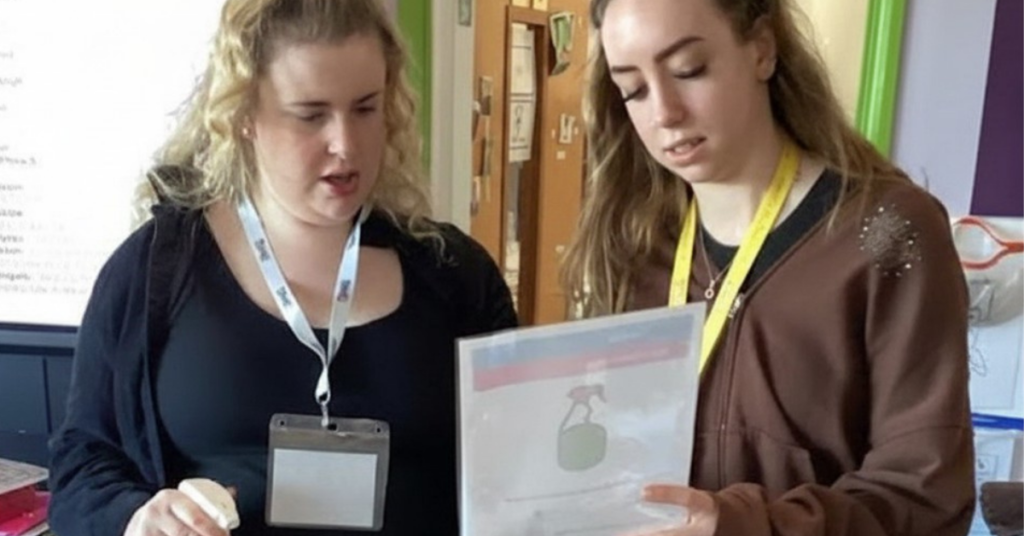
The school then began embedding Talentino lesson plans at Key Stage 5 to support planning. Talentino resources were also used to strengthen delivery of life skills, independent living tasks and work-related learning, with a consistent script that could be used by staff across settings and sessions. This helped create greater continuity for learners and made lesson delivery more efficient for staff.
Visual and structured resources supported learners to stay focused and complete tasks more independently. This included materials linked to job families, work-related skills and daily living tasks, as well as development planners to support Year 14 learners and leavers. The result was an approach that felt both practical and adaptable to the needs of the school’s cohort.
Ongoing support also played an important role. The presentation highlights continued guidance from Talentino, helping the school keep momentum, stay up to date with changes and initiatives, and save staff time through ready-made resources.
“Slow and steady implementation means it is more likely to be successful.”
Key Learnings
Mill Ford’s experience shows that meaningful improvement in careers provision does not need to happen all at once. A gradual approach helped the school embed change in a way that felt sustainable and effective.
Key learnings included:
- Use Talentino advisors and support
- Start small and implement gradually for stronger long-term success
- Trial resources, refine them and build confidence over time
Next Steps
Careers remains part of the school enhancement plan and the lead’s appraisal and research focus, helping to keep it visible as an ongoing priority rather than a one-off project.
- Continuing to develop the careers programme
- Extending consistent resources into more areas across school
- Linking lesson plans more fully into Key Stage 4
- Continuing to draw on Talentino support for advice and guidance.