
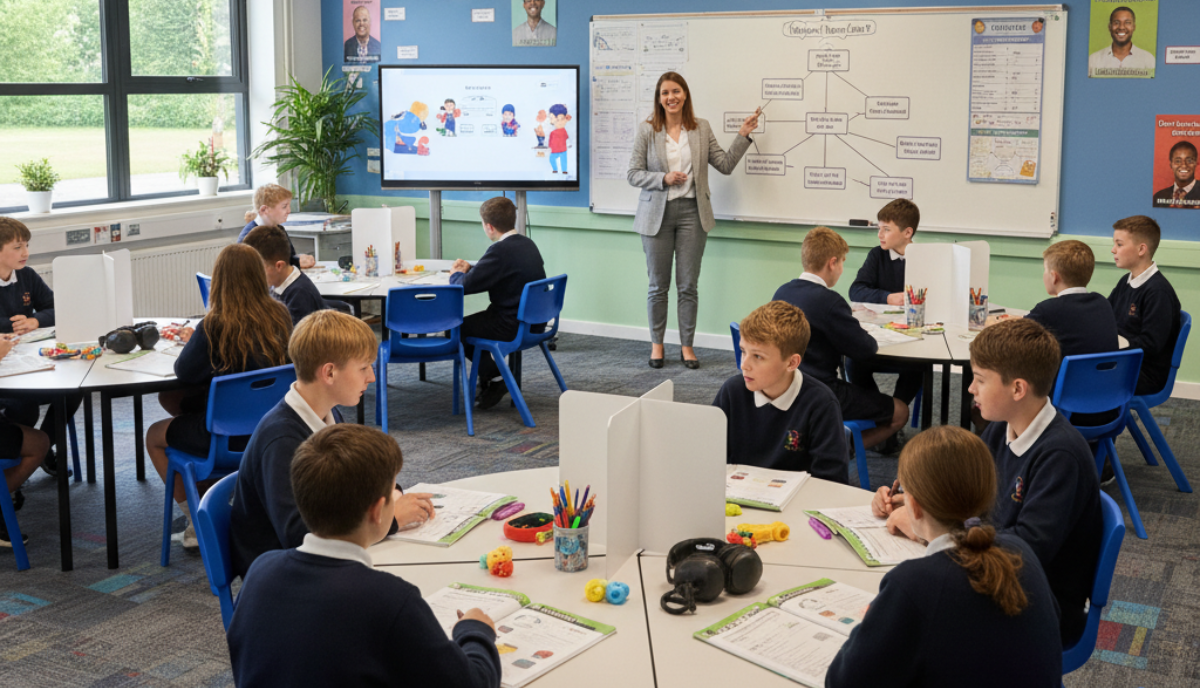
In the UK, 1 in 30 children has an ADHD diagnosis and countless others remain undiagnosed. ADHD (Attention Deficit Hyperactivity Disorder) isn’t a reflection of intelligence or capability. It’s a difference in how the brain manages attention, impulse control, and regulation of energy.
For pupils with ADHD, traditional teaching methods; long instructions, silent seatwork and extended talking can feel like brick walls. They may disengage, get restless, or feel left behind. Yet with the right adjustments, careers education can become transformative. It can be the moment where these pupils finally see themselves reflected, valued, and capable of thriving in the future.
So, how do we make learning more accessible, engaging and memorable?
Here are five practical strategies you can start using tomorrow, in careers lessons or any subject.
Keep instructions short & visual
Why it matters
Pupils with ADHD can lose focus quickly if instructions are too long or only verbal. Working memory, the mental “scratchpad” that holds information temporarily, can get overloaded resulting in confusion, frustration, or a quick slide into disengagement.
How to do it
- Chunk tasks into 3–4 steps. Anything longer becomes overwhelming.
- Display the steps visually on the board, on a handout, or even as icons.
- Check in after each step. Don’t assume every pupil understood the entire set of instructions the first time
Classroom Example
Instead of saying, “Write down three jobs you’d like, research one, and make a poster,” break it down:
- Pick 3 jobs you like (5 mins)
- Circle 1 to research (5 mins)
- Use the fact sheet template (10 mins)
- Share 1 fact with your group (5 mins)
Use movement to boost focus
Why it matters
Pupils with ADHD often have a surplus of energy. Expecting them to sit still for 50 minutes is like asking someone to hold their breath underwater; possible but uncomfortable and unsustainable.
When you build in movement, you give that energy a channel. It resets focus, reduces disruption, and makes lessons more interactive for everyone. It also turns passive tasks into interactive experiences.
How to do it
- Incorporate short “stand and share” breaks.
- Use classroom corners or stations for choice-based activities.
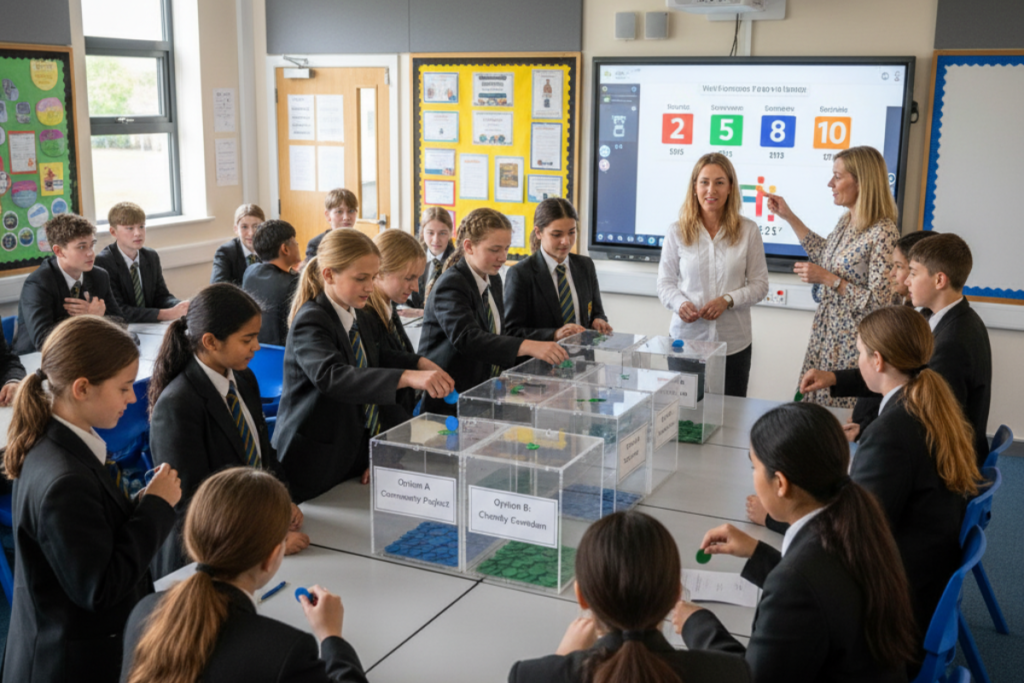
- Allow pupils to vote, rank, or respond physically rather than always on paper.
Classroom Example
Create career pathway corners. Label each corner (e.g. creative, technical, people-focused, outdoors). Ask pupils to stand in the corner that fits their interests best, then discuss why they chose it.
Connect careers to passions
Why it works
One of the hallmarks of ADHD is the ability to hyperfocus; intense concentration on something the pupil is deeply interested in. Traditional lessons that start with abstract job titles or generic discussions often miss this hook.
If you start with the things pupils already care about, you’ll have their attention. Tapping into those passions makes careers conversations more relevant and motivating.
How to do it
- Begin conversations with hobbies, not jobs.
- Use prompts like: “What do you love doing when no one tells you what to do?”
- Map those passions to skills, then to career families.
Classroom Example
Pupils who enjoy football can connect it not only to sports careers, but also physiotherapy, nutrition, coaching, or event organisation.
Scaffold reflection time
Why it works
Open-ended tasks such as “Write what you’ve learned” can overwhelm pupils with ADHD. Faced with a blank page, they may freeze, avoid, or get distracted. Scaffolding gives structure and reduces cognitive load, helping them translate ideas into words or visuals.
How to do it
- Use sentence starters (e.g. “One thing I enjoy is…”).
- Offer quick-choice prompts (e.g. multiple choice) before deeper writing.
- Let pupils draw, mindmap, or voice-record instead of only writing paragraphs.
Classroom Example
Instead of asking, “What skills do you have?”, hand out cards that say “I’m good at ___” or “Friends come to me when they need help with ___.” Pupils can fill them in then swap with a partner.
Celebrate strengths
Why it works
Many pupils with ADHD hear constant messages about what they “can’t” do; sit still, concentrate, stay organised. This narrative can erode self-esteem and motivation.
But ADHD also brings unique strengths: creativity, bold ideas, quick problem-solving, and the ability to think differently. When teachers spotlight these traits, pupils begin to see their difference as an asset, not a deficit.
How to do it
- Point out specific positives you notice in class: creativity, energy, problem-solving.
- Share stories of neurodiverse role models who succeeded in creative or entrepreneurial fields.
- Let pupils showcase their ideas in different formats (present, draw, role-play).
Classroom Example
Run a 5-minute “Quick Ideas Challenge.” Pose a fun question like: “How could we improve breaktime at school?” Pupils brainstorm wild solutions on mini whiteboards. Celebrate the most creative or unexpected ideas as career skills.
Inspiring real example to share
Alex Partridge is the co-founder behind media giants UNILAD and LADBible, which reached millions of readers and social media users. Partridge has been open about how being neurodivergent affected his working style, including challenges with maintaining focus and navigating fast-moving ideas.
Turning difference into strength
Rather than seeing ADHD as a limitation, Partridge reframes it as part of his creative architecture. In interviews and in his recent book Now It All Makes Sense, he argues that ADHD-driven traits like rapid ideation, risk-taking, and pattern-seeing have powered parts of his entrepreneurial success.
He now uses his platform to advocate for neurodiversity, creating awareness, sharing his lived experience, and helping others see that success can look different.


